
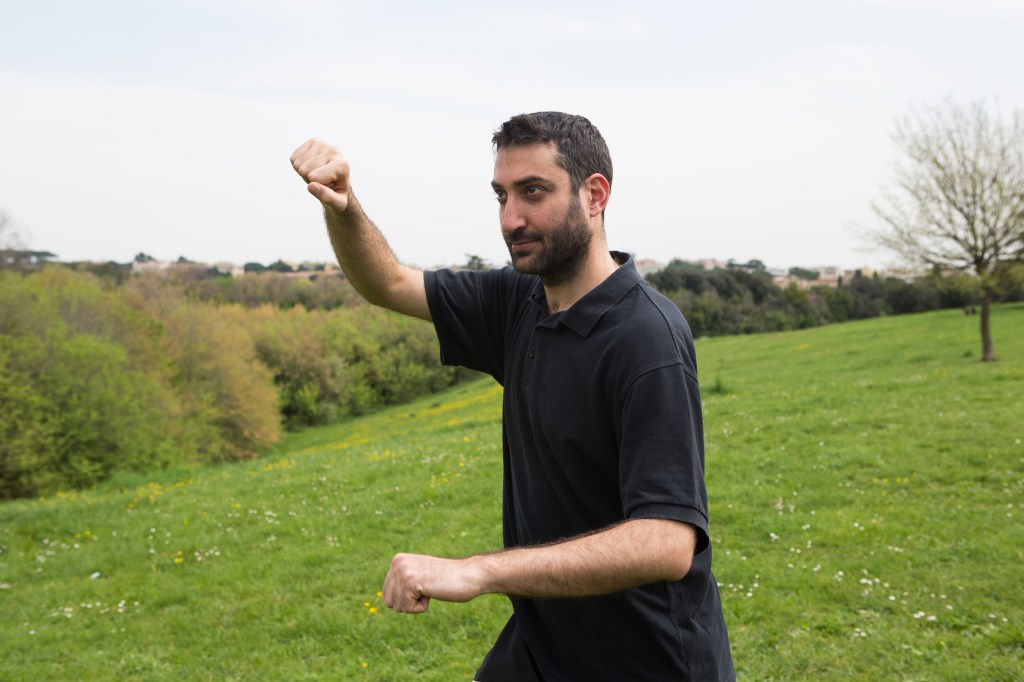
Yang-style Taijiquan (also known as Tai Chi Chuan) is one of the most popular and widely practiced styles of Taijiquan. It is named after its founder, Yang Luchan (1799-1872), who is credited with formalizing and popularizing the style. The history of Yang-style Taijiquan is as follows:
- Yang Luchan and the Founding of the Style: Yang Luchan, also known as Yang Lu-chan or Yang Fu-k’ui, is considered the founder of Yang-style Taijiquan. He was born in Yongnian, Hebei province, China, and learned martial arts from the Chen family, who are credited with developing the original form of Taijiquan. Yang Luchan adapted and modified the Chen style to create a new, more accessible, and less physically demanding style, which became known as Yang-style Taijiquan.
- Yang Banhou and Yang Jianhou: Yang Luchan passed his art down to his sons, Yang Banhou and Yang Jianhou, who further refined and transmitted the style. Yang Jianhou, in particular, was instrumental in spreading Yang-style Taijiquan in Beijing.
- Yang Chengfu and Standardization: The most prominent figure in the development and popularization of Yang-style Taijiquan was Yang Chengfu (1883-1936), the grandson of Yang Luchan. Yang Chengfu made significant modifications to the form, emphasizing large, flowing movements and a gentler, more accessible approach to Taijiquan. His efforts made the style more suitable for a wider audience and contributed to its widespread popularity.
- Yang-style Characteristics: Yang-style Taijiquan is known for its slow, graceful, and continuous movements that emphasize balance, relaxation, and the cultivation of internal energy (qi). It incorporates a series of choreographed forms or sequences that practitioners perform in a slow and controlled manner.
- Spread and Influence: Yang Chengfu’s teachings and his efforts to standardize the Yang-style form contributed to its spread not only in China but also to other parts of the world. Today, Yang-style Taijiquan is one of the most practiced forms of Taijiquan globally.
- Various Lineages and Offshoots: Over the years, various lineages and offshoots of Yang-style Taijiquan have developed, each with its own variations and interpretations. This has led to the evolution of the style, with some practitioners preserving traditional aspects, while others have introduced modifications.
Yang-style Taijiquan continues to be a popular and respected form of Taijiquan, known for its health benefits, martial applications, and its emphasis on harmony, balance, and the cultivation of inner strength. It has left a significant mark on the world of martial arts and holistic health practices.
 Miami Taichi